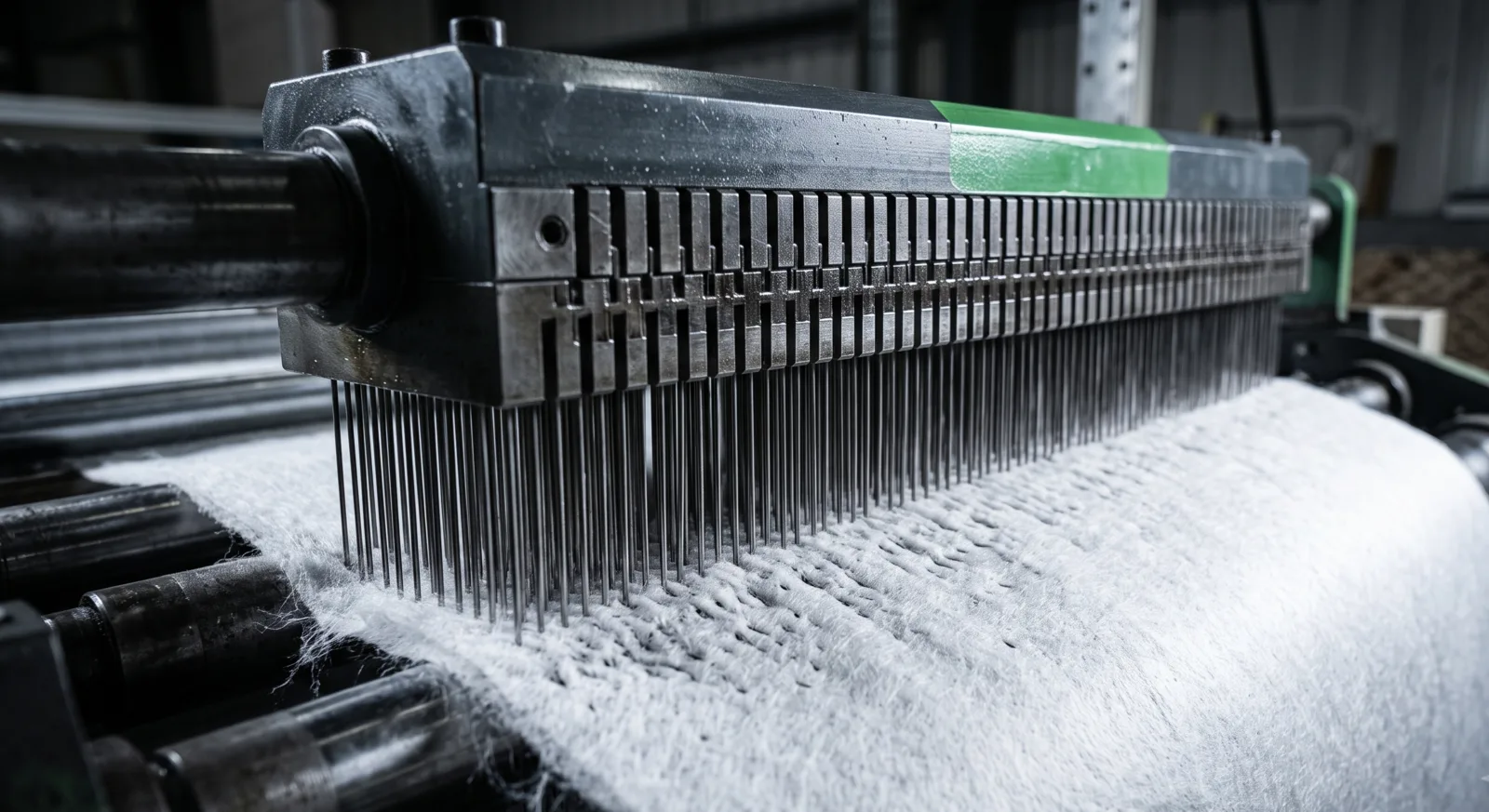
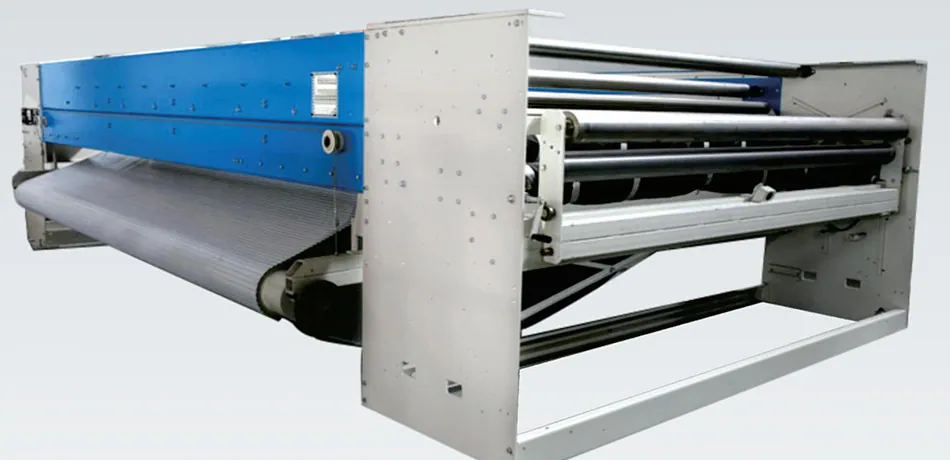
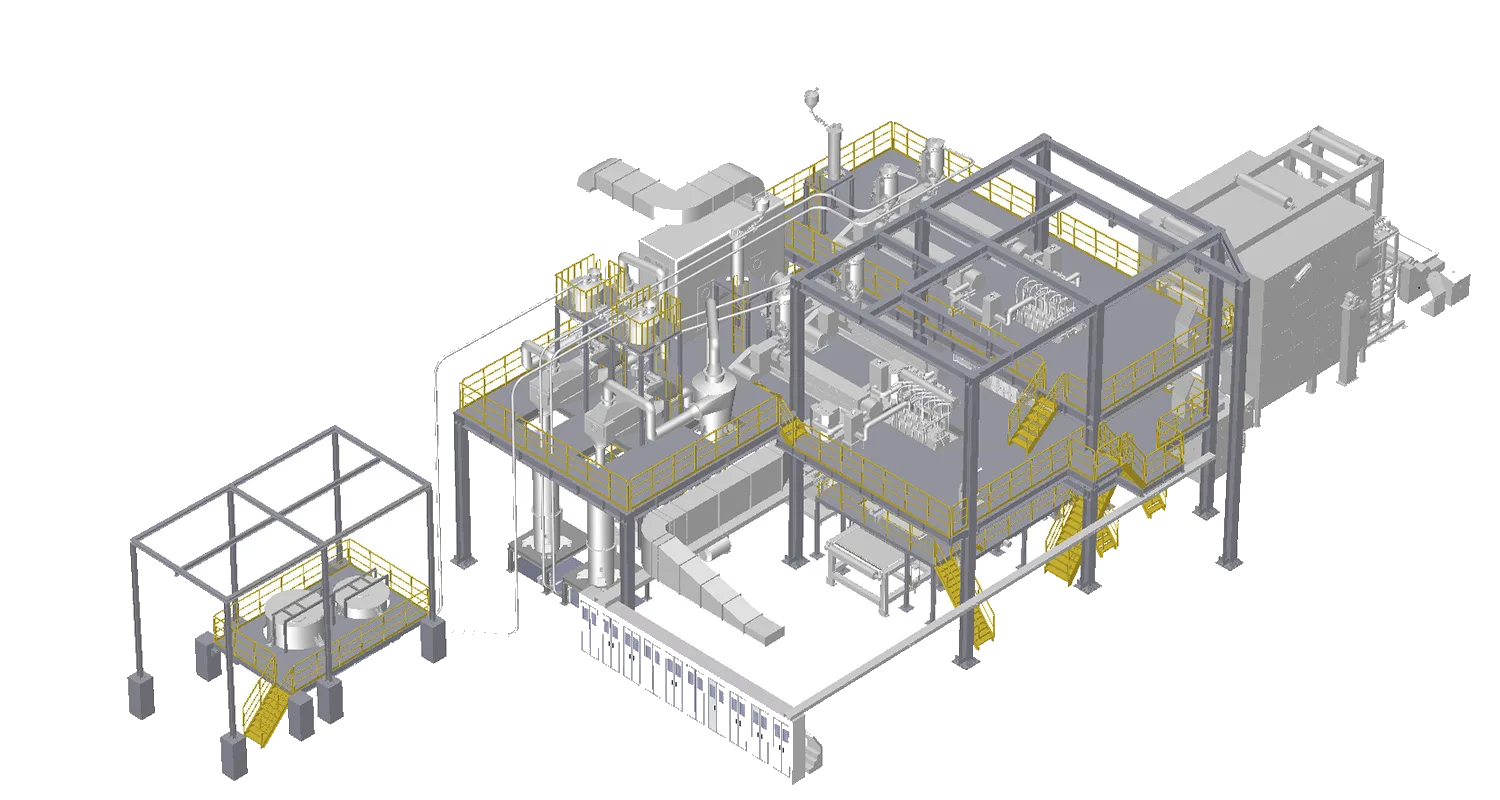
A needle board is the component inside a needle-punch machine that holds and guides thousands of needles as they punch through the fiber web during the needle-punch process, bonding it into nonwoven fabric. A single needle-punch machine may use anywhere from 2 to 8 needle boards, producing multi-directional bonding that determines the mechanical strength and surface fineness of the finished nonwoven fabric.
Structure and Materials of the Needle Board
- Board Body: machined by high-precision CNC.
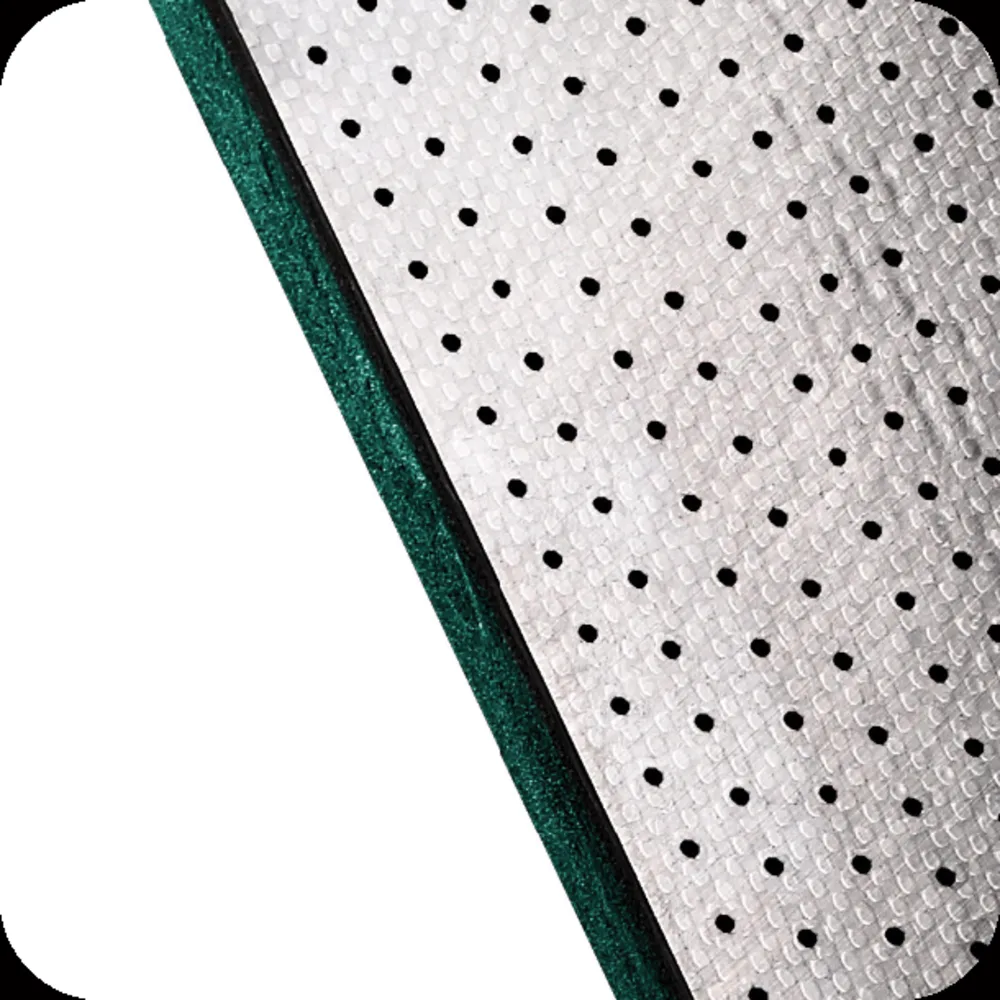
- Needle Holes: CNC-drilled to a tolerance of ≤ 0.02 mm so needles punch accurately without colliding.
- Needle Clamp: holds needles firmly, absorbing impact loads at high-speed punching.
- Retaining Plate: reduces vibration and protects the needle tips.
- Fiber Removal system: extracts fiber dust, keeping the working surface clean during operation.
Modern Needle Board Materials
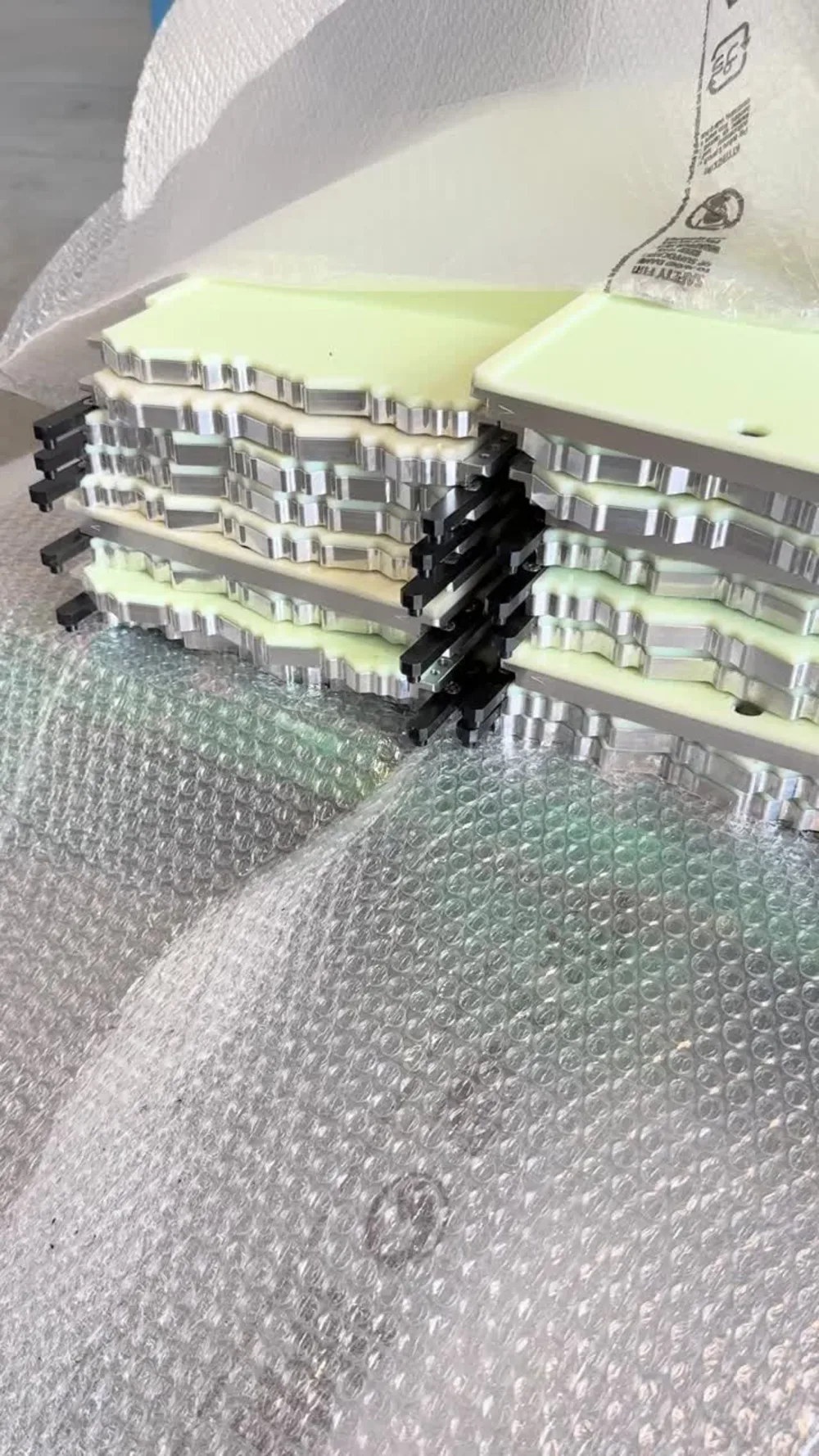
In the past, needle boards were mostly made of steel or aluminum alloy: hard, but heavy and prone to deforming under strong impact. Today, leading manufacturers have developed Composite Needle Boards, a material combining carbon fiber with aluminum or high-grade engineering plastic.
Advantages of the composite needle board:
- 40–60% lighter than traditional steel, reducing load on shafts and the drive system.
- High rigidity and stability, with no warping at high running speeds.
- Reduced vibration, letting needles punch precisely and cutting down needle breakage.
- Better corrosion and wear resistance, suited to continuous production environments.
- Service life up to 2–3 times longer than a conventional needle board.
Thanks to these advantages, the composite needle board is becoming the new standard in modern factories, especially in Europe, China, and Korea, where needle-punch lines run at high speed and demand strict fabric quality.
The Needle Board’s Role in the Line
- Holding and guiding the needles: ensures needles punch straight and pass evenly through the fiber web.
- Distributing needle density: determines the fabric’s structure, strength, and surface fineness.
- Stabilizing the punching process: an accurate needle board reduces vibration and extends the life of needles and shafts.
- Affecting fabric quality: a worn or bent needle board causes uneven needle-hole sizes, degrading the fabric’s finish.
Common Failures
- Mass needle breakage: caused by a misaligned needle board, out-of-spec drilled holes, or heavy vibration.
- Loose or falling needles: caused by a weakened needle clamp worn down over time.
- Uneven needle-hole sizes: caused by a deformed or misaligned needle board.
- Fiber buildup inside the needle board: caused by a missing fiber-extraction system, which throws needles off and jams them with fiber.
How to Maintain a Needle Board
- Clean the needle board every shift, using compressed air or a soft brush.
- Check needle-hole precision periodically, especially after replacing needles in bulk.
- Apply a light anti-rust oil to needle-contact areas when the machine is idle for extended periods.
- Never knock or use hard tools when removing needles, to avoid deforming the holes.
- For high-speed lines, prioritize a composite needle board or premium CNC board with its own fiber-extraction system.
Conclusion
The needle board is the heart of the needle-punch machine, determining the precision and quality of the finished nonwoven fabric. New-generation composite needle board technology cuts weight while increasing rigidity and service life, making it the inevitable direction for modern factories. Investing in the right needle board and maintaining it consistently is the key to boosting line performance and cutting down operating costs on a needle-punch production line.
Vina Nonwoven supplies needle boards, felting needles and spare parts for nonwoven machines, stocked for many machine brands, plus complete needle-punch lines. Contact us by hotline or Zalo for advice and a quote. See also card clothing (carding wire), another key consumable that shapes fiber-web quality.