The most common question when opening a plant is “how much does a nonwoven line cost?” — and the honest answer is that there is no fixed price. A line is configured to the product you want to make and your target capacity, so total investment varies with a number of factors. Understanding these factors helps you right-size the configuration and optimise cost. Here is what determines the final figure.
Why is there no fixed price?
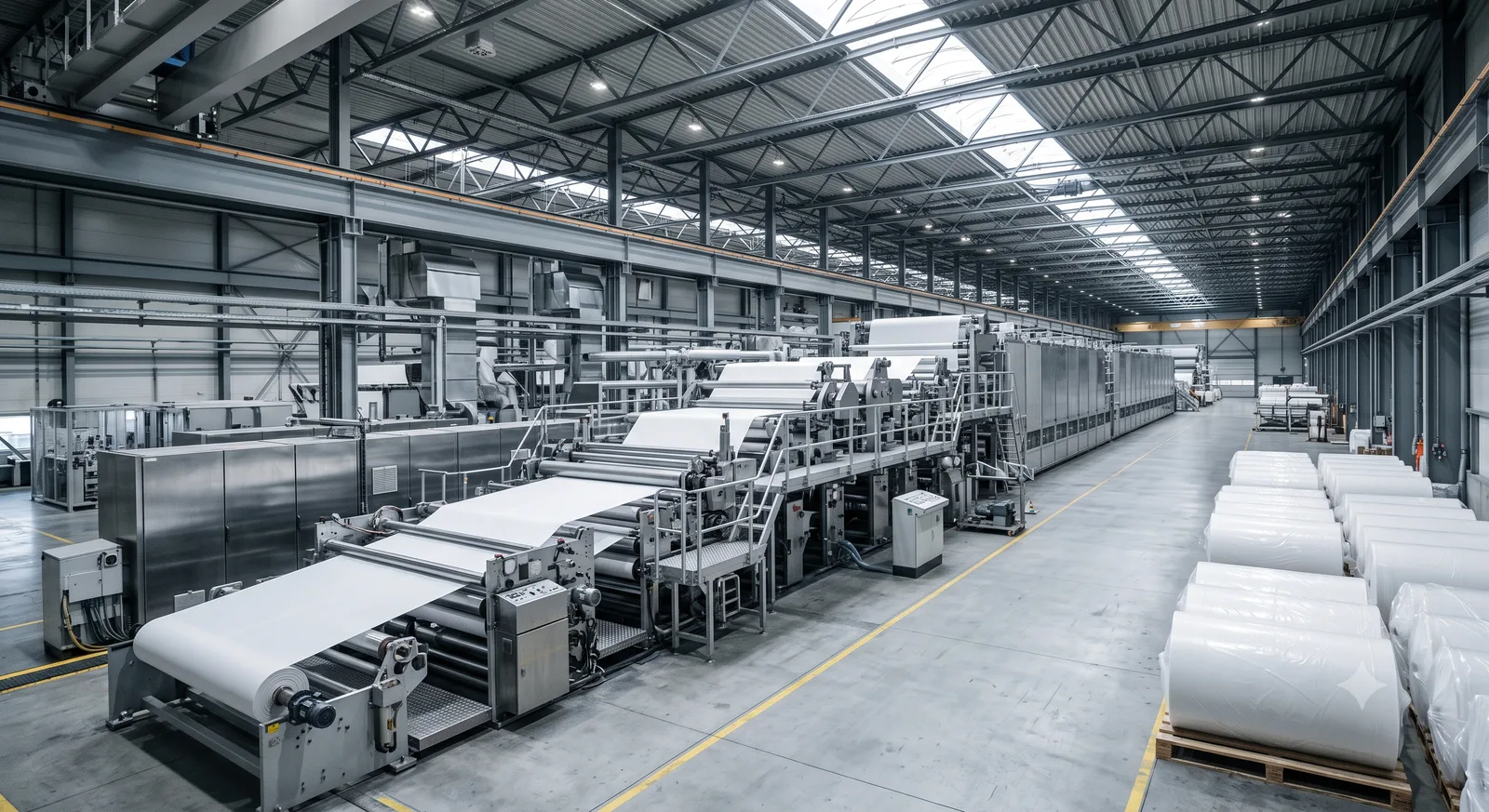
Nonwoven fabric is not a single product: thick geotextiles, carpet, industrial filtration media, fabric bags and medical textiles all call for different line configurations. That is why a line is always designed around the end product — the number of machines, the fabric width, the capacity and the level of automation all change with the type of fabric you intend to produce.
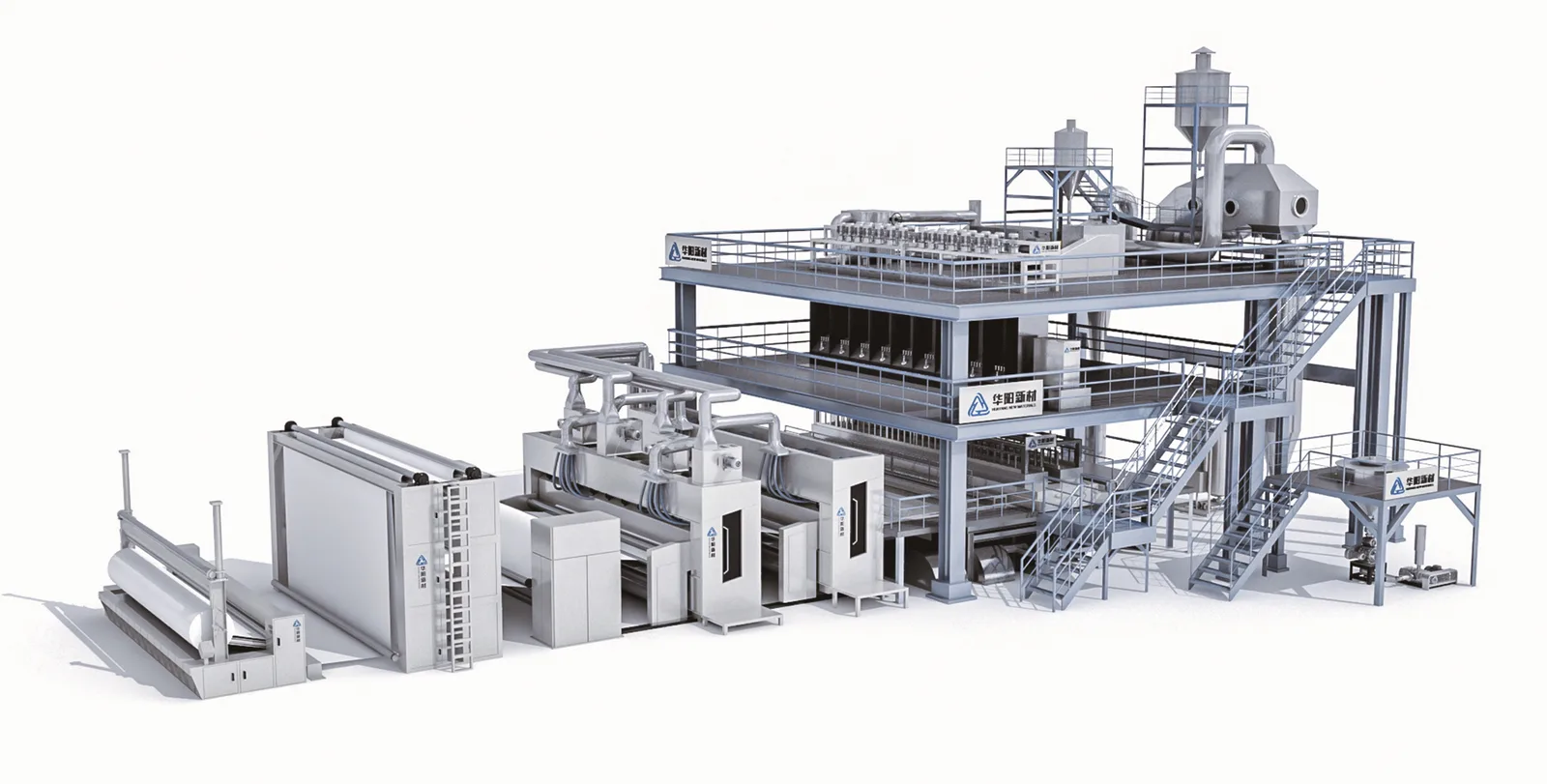
In other words, two workshops both making nonwoven fabric may still need two very different lines in scale and cost. That is why a fixed price list would not reflect your real needs — instead, the right configuration has to be defined first, and only then priced. If you are not sure which machines you need, What machines and production line do you need to start a nonwoven plant? describes every machine group in a complete line.
The factors that determine cost
Total investment in a nonwoven line is shaped by the following factors — each one moves the number in a clear direction:
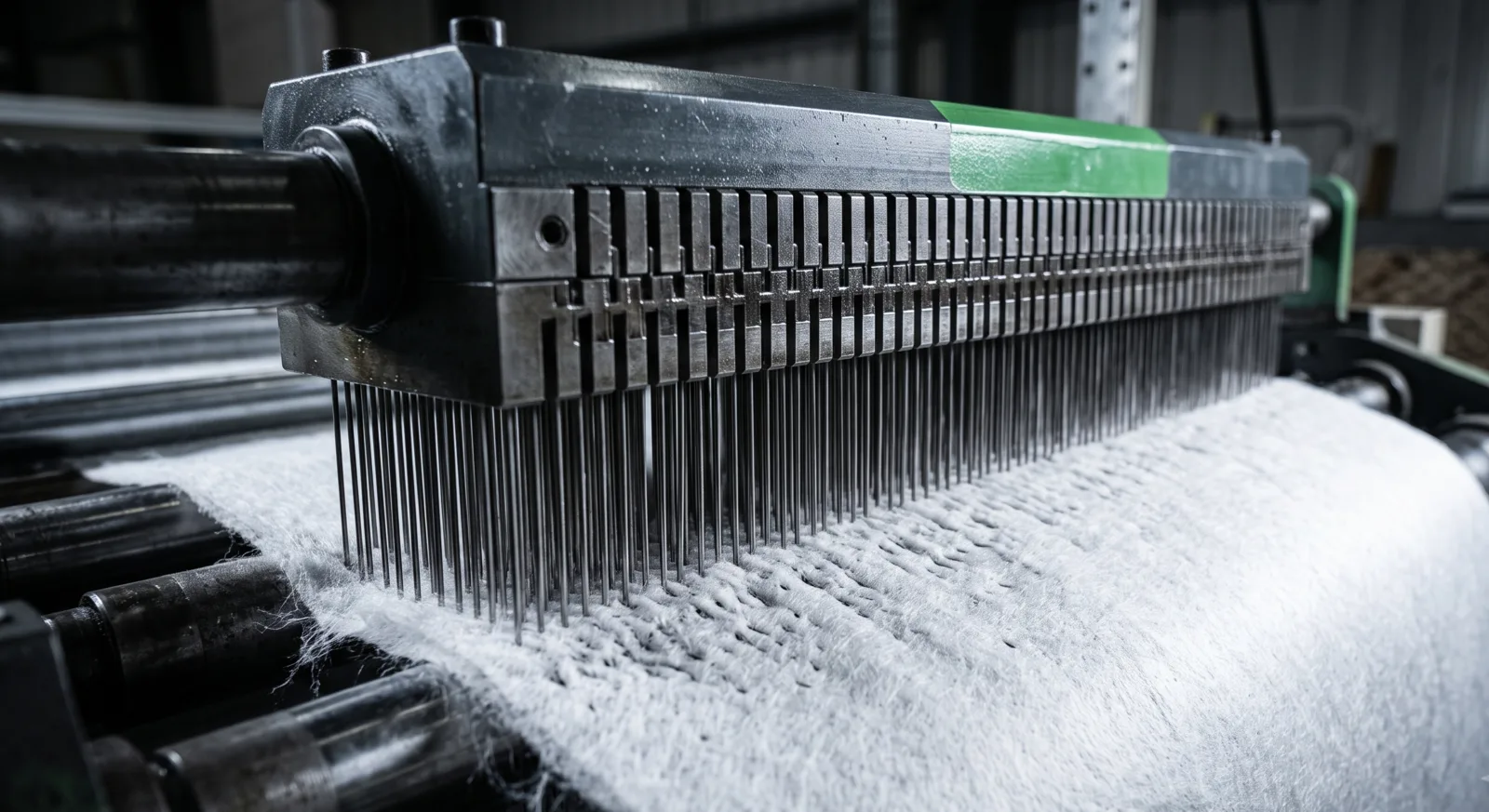
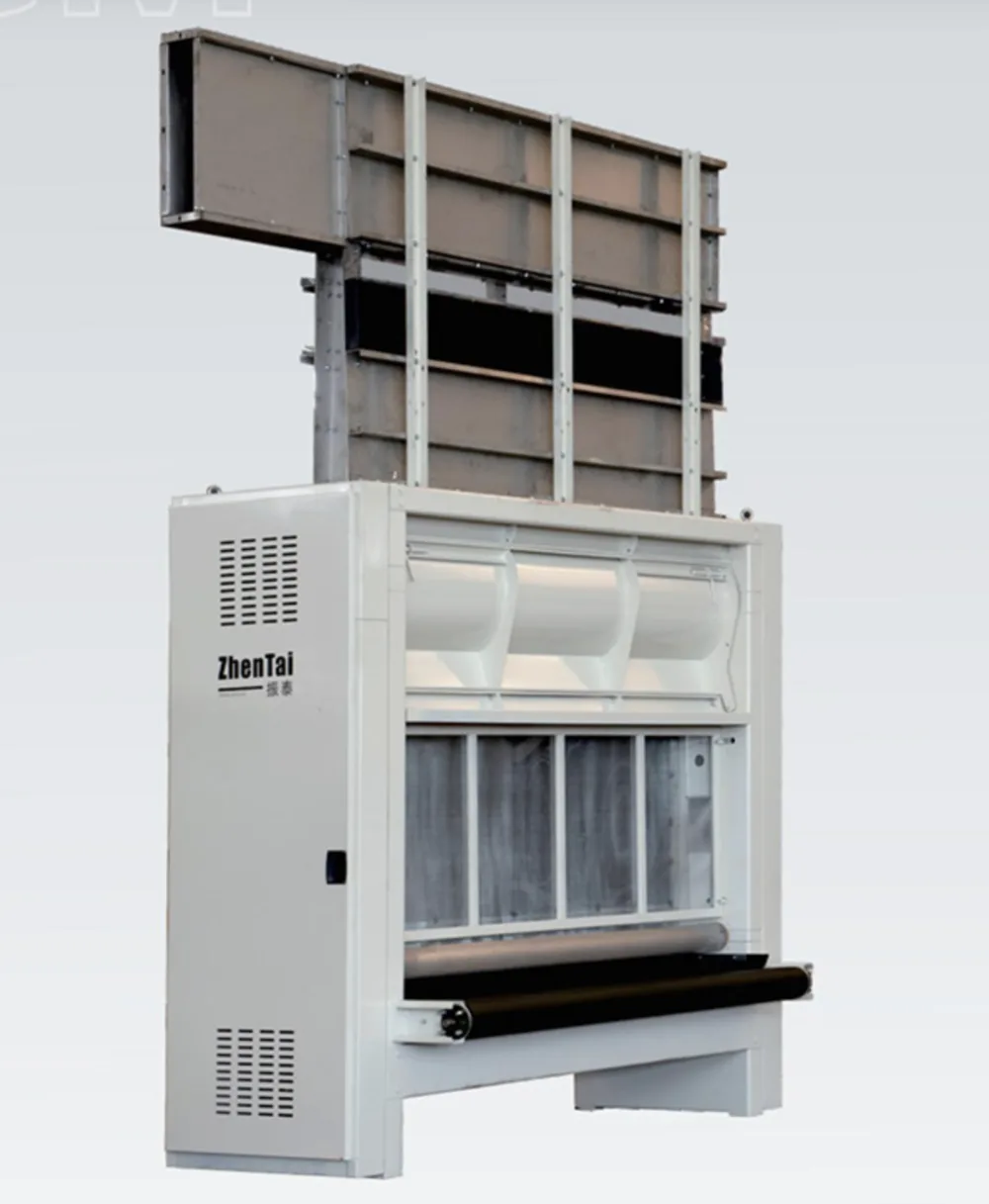
- Fabric width. The wider the fabric, the larger and sturdier the carding machine, cross-lapper and needle loom have to be, which raises cost.
- Capacity. A higher target output requires faster, more durable and more stable machines — one of the strongest drivers of investment.
- Level of automation. Automated feeding, monitoring and winding raise the upfront cost but cut labour and error over the long run.
- Technology. Needle-punch and PET spunbond configurations carry different capital costs because their core machine groups differ. If you are still weighing them, see Needle-punch or spunbond: which technology should you choose?.
- New or used machines. An inspected, well-maintained used line usually carries a lower capital cost than a new one.
- Component origin. Components, motors and control systems from Europe or from Asia sit at different price points, directly affecting both total cost and later maintenance.
- Installation & shipping. Machine weight and the distance to your plant determine logistics, installation and alignment costs.
How to optimise the investment cost
Optimising cost does not mean choosing the cheapest machines — it means right-sizing the configuration so you do not pay for surplus capacity or automation you do not yet need:
- Consider an inspected used line. For a new workshop, a thoroughly checked used line lowers the upfront capital while still running reliably.
- Choose a right-sized configuration. Set the fabric width and capacity to your real business plan and avoid over-investing from the start.
- Stock consumable parts. Card clothing, carding wire and felting needles are wear parts; keeping spares in stock avoids costly downtime — see our technical services.
- Automate in phases. You can start with a basic configuration and add automation as output grows, spreading the investment cash flow sensibly.
If you want to sell off an old line to fund a new configuration, Vina Nonwoven also buys back used machines.
How do you get an accurate figure for your plant?
The most accurate way to know your investment is to send a quote request with two key details: the product you plan to make and your target capacity. From there, Vina Nonwoven’s engineers will propose a suitable configuration and a full quote — including installation and shipping — with no consulting fee.
We do not publish online pricing because every line is an individual configuration. For more on where to source machines and how to choose a reliable distributor, see Where to buy a nonwoven production line in Vietnam?.
This is an informational site — every transaction goes through direct consultation. Call the hotline or message us on Zalo for a quote and a line configuration matched to your needs.