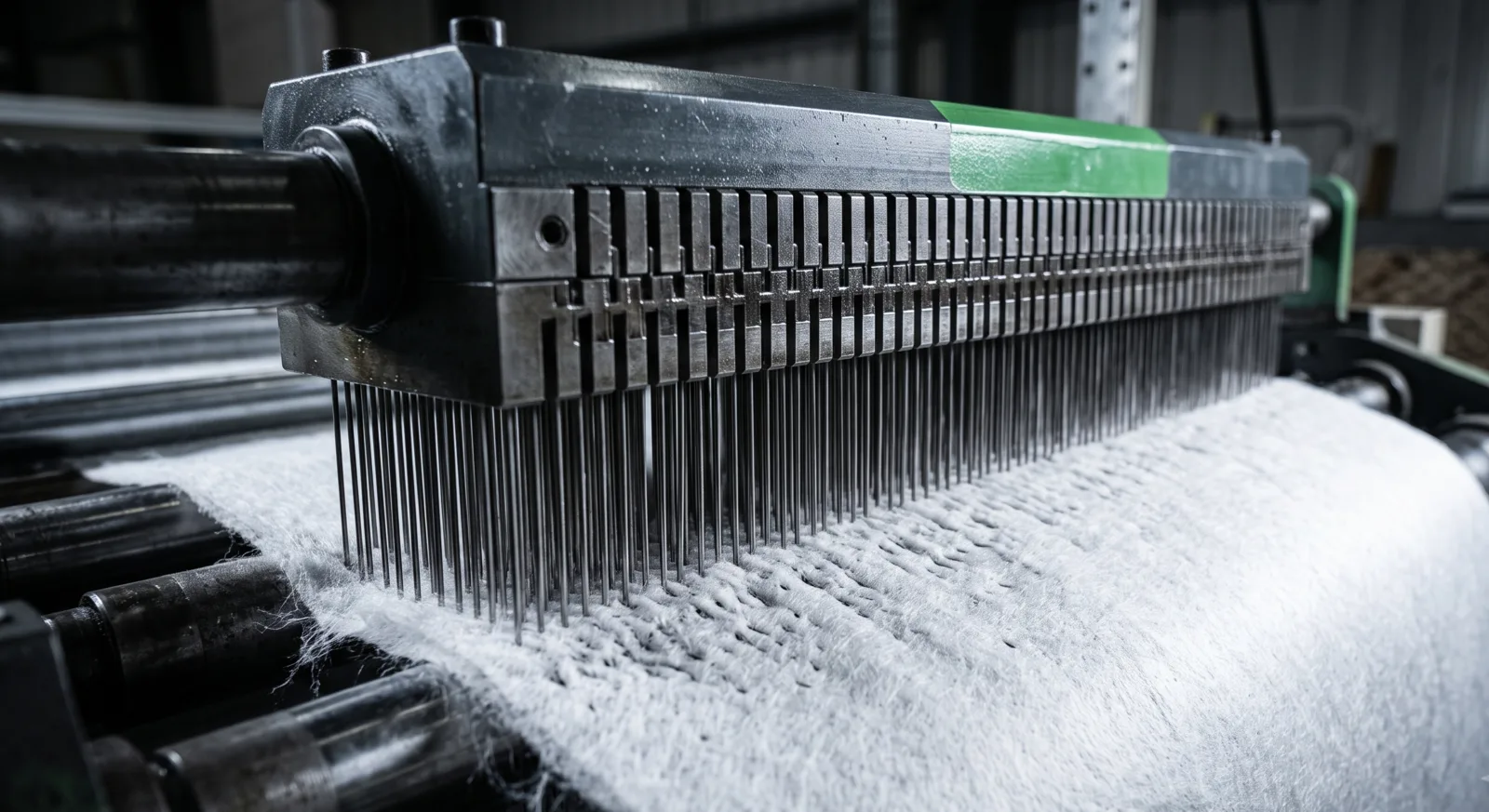
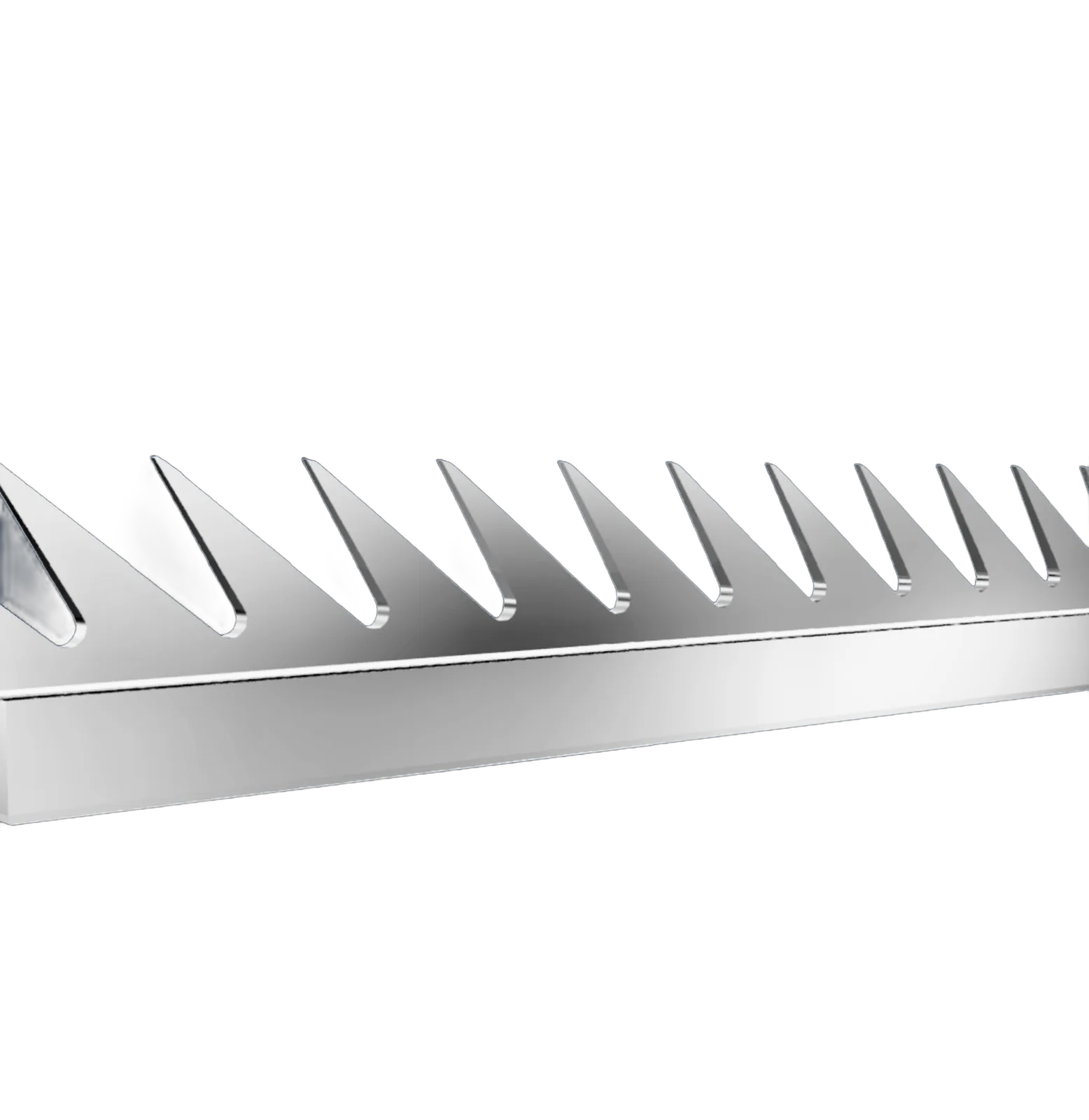
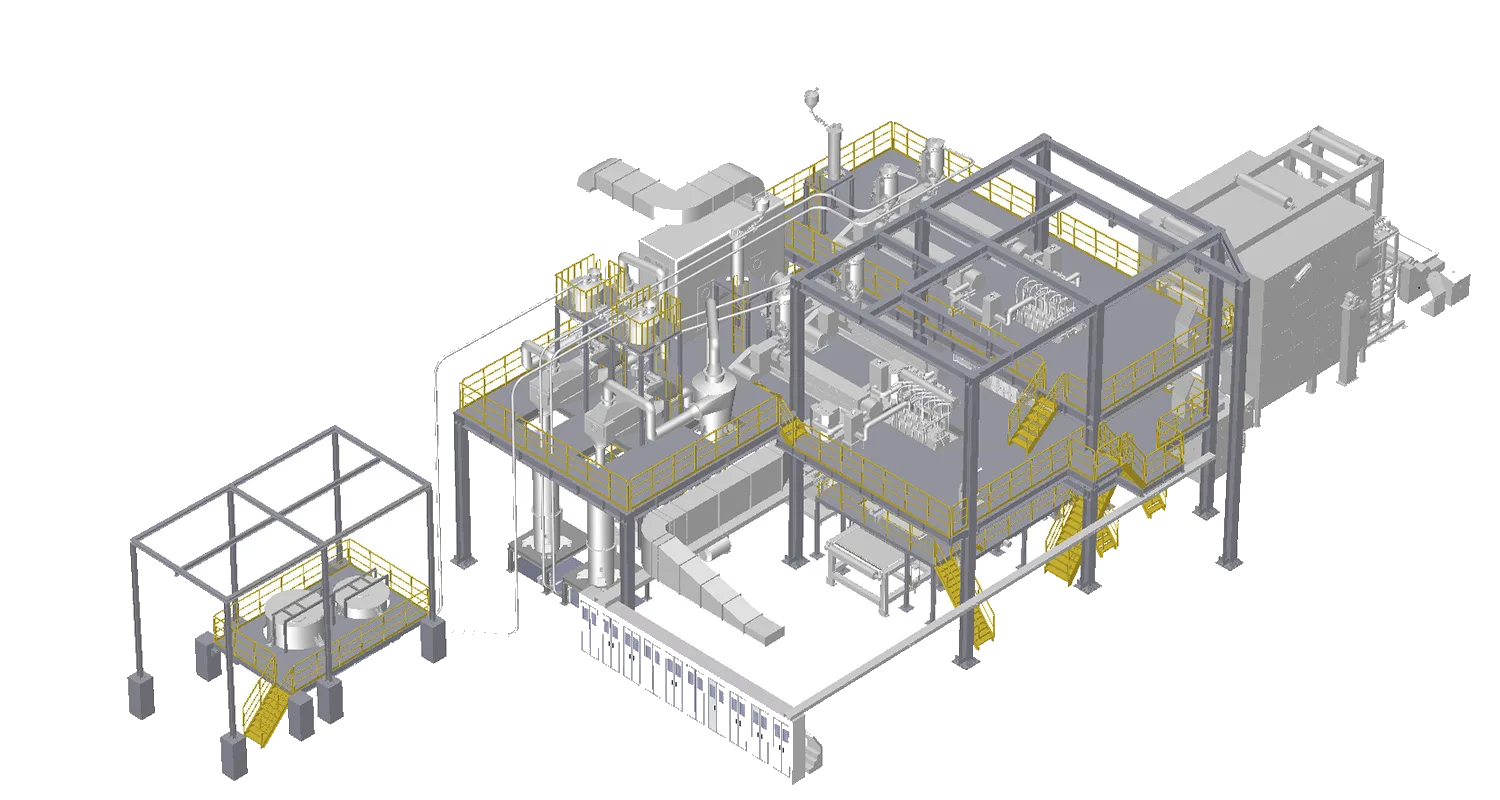
A Spunbond production line is a system of machinery that turns Polypropylene (PP) or Polyester (PET) resin pellets (chips) into nonwoven fabric. The process works on the principle of melt extrusion, continuous filament spinning, web laying, and thermal bonding to form a strong, durable fabric sheet.
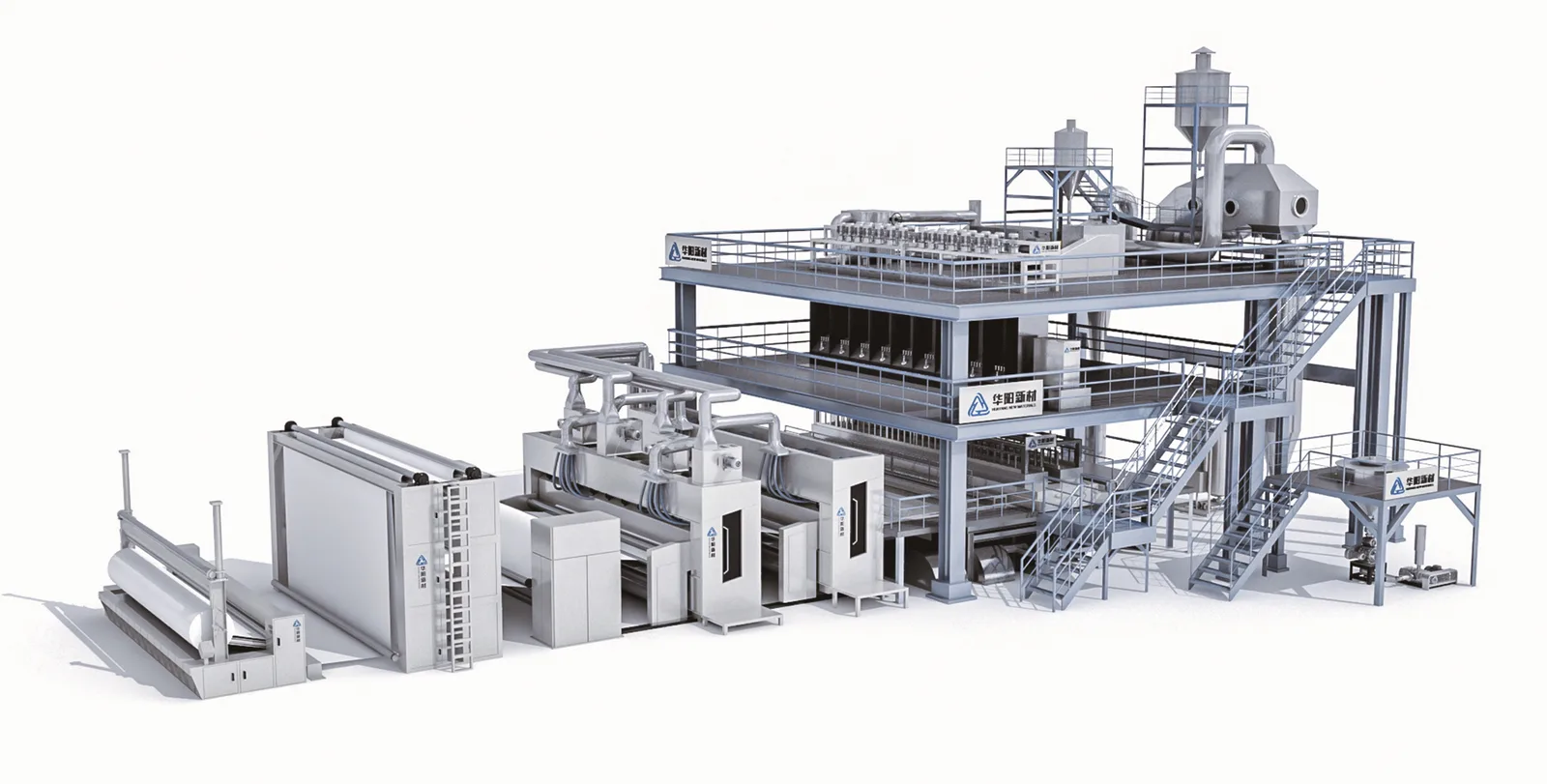
If you’re weighing up what machines you need to open a nonwoven workshop, a Spunbond line is one of the core technology choices for producing nonwoven fabric continuously at scale.
Basic structure of a Spunbond production line
- Resin and additive feeding system: uses virgin PP or PET pellets, which can be supplemented with UV-resistant or antibacterial additives.
- Extruder: melts the resin pellets, keeping the temperature stable so the filaments come out even.
- Polymer filtration system: filters out impurities and debris from the raw material.
- Spinning section: after filtration, the polymer is pushed into the spinning section, which houses multiple spinneret dies. Metering pumps push the polymer through these spinnerets to form continuous filaments, with fiber diameter determined by the spinneret hole size.
- Fiber suction and cooling system: after passing through the spinnerets, the filaments are drawn down into the cooling system, which uses air or compressed air to cool and draw the fibers.
- Web forming system: lays the fibers into a uniform web on the conveyor belt.
- Calender bonding machine: uses heat and pressure to bond the fibers, either with point bonding or full-surface bonding.
- Winding machine: winds the finished fabric into large rolls, ready for further processing or sale.
Operating principle of the Spunbond production line
Resin pellets are melted in the extruder and pushed through the spinneret to form continuous filaments. The filaments are drawn and cooled by the air system, then laid onto the conveyor belt to form a fiber web. The calender uses heat and pressure to bond the fibers into fabric, and the finished roll is then packaged.
Applications of Spunbond fabric
- Medical: face masks, protective clothing, surgical drapes.
- Packaging: nonwoven bags, environmentally friendly packaging.
- Agriculture: crop covers, insect-barrier netting.
- Household: fabric linings, decorative materials.
Advantages of the Spunbond production line
- High-speed, continuous production.
- Fabric is lightweight yet durable.
- Easy to adjust GSM (fabric weight).
- Lower production cost than many other technologies.
Key technical specifications of a Spunbond line
- Output: typically 150 kg/hour to 1.5 tons/hour, depending on configuration.
- GSM range: 10–250 GSM, covering a wide range of applications.
- Maximum fabric width: 1.6 m, 2.4 m, 3.2 m, or larger.
- Line speed: 200–600 m/minute, depending on design and capacity.
Frequently Asked Questions (FAQ)
How is Spunbond different from Spunlace and Needle Punching?
Spunbond uses heat to bond the fibers, Spunlace uses high-pressure water jets, and Needle Punching uses mechanical needles.
Should I choose a 1.6 m or 3.2 m line width for an initial investment?
A 1.6 m width suits smaller capacity and the domestic market, while a 3.2 m width suits export and large-scale output.
What is the average service life of a spinneret?
Typically 2–3 years, depending on usage frequency and operating conditions, with regular cleaning and maintenance required.
What GSM is suitable for Spunbond fabric used in packaging?
Typically 60–100 GSM, depending on the type of bag and the required strength.
Conclusion
The Spunbond production line is a key technology solution in the nonwoven fabric industry, delivering large output and diverse applications. Understanding its structure, operating principle, and technical specifications helps businesses invest effectively and operate at optimal efficiency.
Vina Nonwoven is the Vietnam distributor of PET Spunbond machines and production lines, with installation and maintenance service handled locally in Vietnam — advising on the right configuration for your product and output. Contact us by hotline or Zalo for a quote.